
Lygia Fagundes Telles
Known for: Writing
Born: April 18, 1918 in São Paulo, São Paulo, Brazil - Died: April 2, 2022
Lygia Fagundes da Silva Telles (née de Azevedo Fagundes; 19 April 1918 – 3 April 2022), also known as "the lady of Brazilian literature" and "the greatest Brazilian writer" while alive, was a Brazilian novelist and writer, considered by academics, critics and readers to be one of the most important and notable Brazilian writers in the 20th century and the history of Brazilian literature. In addition to being a lawyer, Lygia was widely represented in postmodernism, and her works portrayed classic and universal themes such as death, love, fear and madness, as well as fantasy. Born in São Paulo, and educated as a lawyer, she began publishing soon after she completed high school and simultaneously worked as a solicitor and writer throughout most of her career. She was elected as the third woman in the Brazilian Academy of Letters in 1985 and held Chair 16. She was a recipient of the Camões Prize, the highest literary award of the Portuguese language and her works have received honors and awards from Brazil, Chile and France. Winner of all important literary awards in Brazil, honored nationally and internationally, in 2016, at the age of 98, she became the first Brazilian woman to be nominated for the Nobel Prize for Literature.
Known for
Showing 16 of 16 titles

Abry
Self
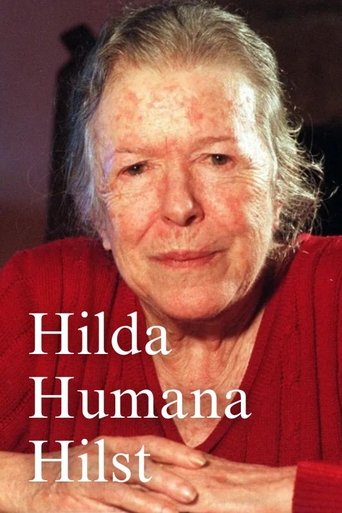
Hilda Humana Hilst
Self

Lygia, Uma Escritora Brasileira
Ela mesma

Hilda Hilst Pede Contato
Herself (archive)

Biblioteca Nacional
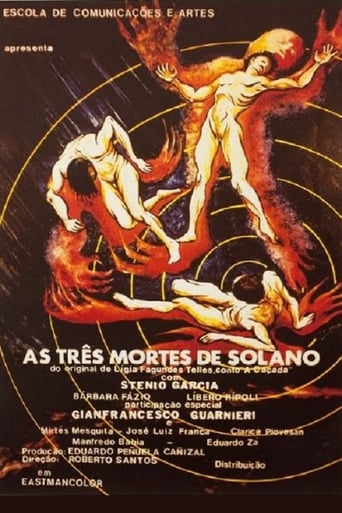
As Três Mortes de Solano
Original Story
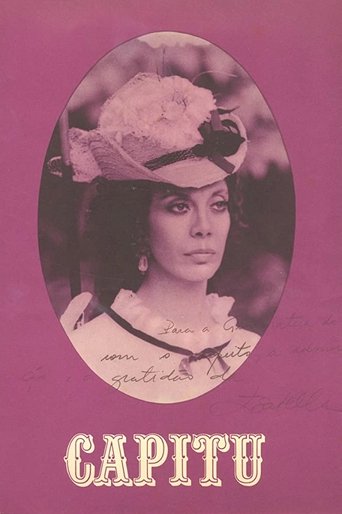
Capitu
Writer

Contos de Lygia e Morte
Original Story

Já Não Se Faz Amor Como Antigamente
Short Story

Apenas um Saxofone
Writer
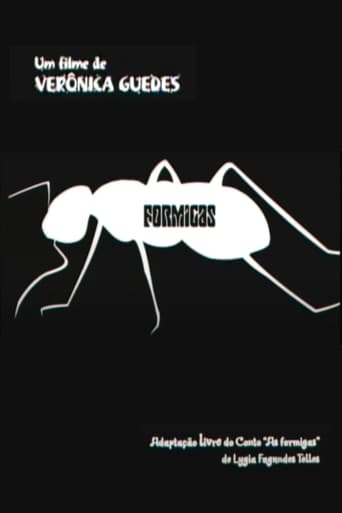
Formigas
Original Story

Venha ver o Pôr-do-Sol
Original Story

Before the Green Ball
Novel

As Meninas
Novel

Stone Circle
Original Story
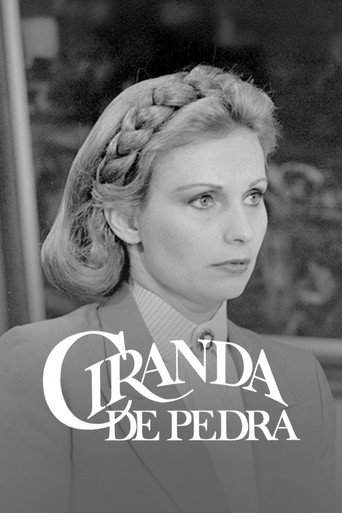
Ciranda de Pedra
Original Story