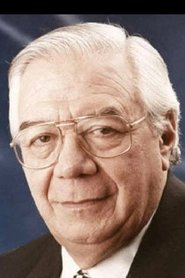
Ariel Ramírez
Known for: Sound
Born: September 3, 1921 in Santa Fe, Santa Fe, Argentina - Died: February 17, 2010
Ariel Ramírez (4 September 1921 – 18 February 2010) was an Argentine composer, pianist and music director. He was considered "a chief exponent of Argentine folk music" and noted for his "iconic" musical compositions. Ramírez is known primarily for his Misa Criolla (1964). It allowed him to travel around Europe and Latin America to build his reputation. However, he wrote more than 300 compositions during his career, and sold over 10 million albums. Ariel Ramírez was born in Santa Fe, Argentina. His father, who was from Spain and immigrated to Argentina, was a teacher and it had been thought Ramírez would also pursue this career path but the job lasted for just two days due to "discipline problems". He initially pursued tango before switching to Argentine folklore. He began his piano studies in Santa Fe, and soon became fascinated with the music of the gauchos and creoles in the mountains. He continued his studies in Córdoba, where he met the great Argentine folk singer and songwriter Atahualpa Yupanqui and was influenced by him. Ariel Ramírez with Atahualpa Yupanqui c. 1962 Following a suggestion from Yupanqui, he visited the northeastern part of Argentina, and deepened his research into the traditional rhythms of South America. He spent time in Mendoza and Buenos Aires. At the same time continuing his academic studies as a composer at the National Conservatory of Music, in Buenos Aires. He made his first recording in 1946, with RCA; he made twenty records with that label until 1956. Plácido Domingo, José Carreras and Mercedes Sosa are some of the artists to have recorded his work. He was also associated with Miguel Brascó and Félix Luna. Ramírez went on to study classical music in Madrid, Rome and mainly in Vienna, from 1950 to 1954. Back in Argentina, he collected over 400 folk and country songs and popular songs and founded the Compañía de Folklore Ariel Ramírez. Ramírez had two daughters, Mariana and Laura, and a son, Facundo. (NB: The Washington Post reported in error that he had two sons.) He married musicologist Norma Inés Cuello de Ramírez. In 1964, the Ramírez composition Misa Criolla marked the beginning of a period of high musical productivity for the composer, which also heralded the premieres of the works Navidad Nuestra and La Peregrinación (both 1964); Los Caudillos (1965); Mujeres Argentinas (1969), and Alfonsina y el mar (1969), all produced in collaboration with writer Félix Luna. Misa Criolla and Alfonsina y el mar are probably his best-known compositions. ... Source: Article "Ariel Ramírez" from Wikipedia in English, licensed under CC-BY-SA 3.0.
Known for
Showing 18 of 18 titles
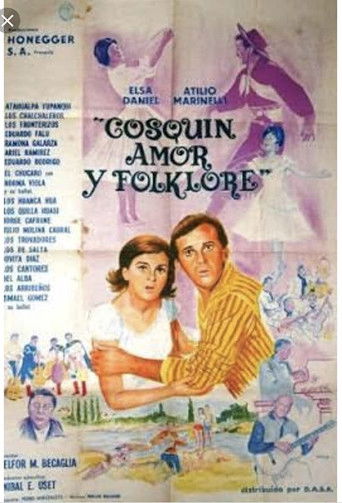
Cosquín, amor y folklore

Mire que es lindo mi país
Self

Mercedes Sosa: como un pájaro libre
Self
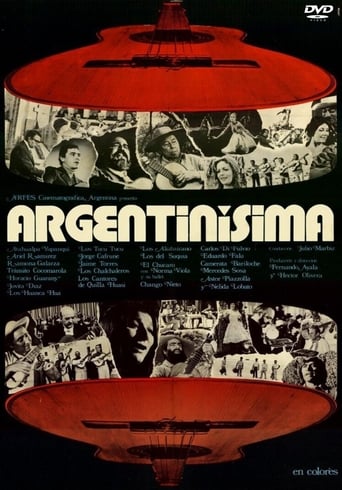
Argentinísima
Él mismo

El canto cuenta su historia
Self
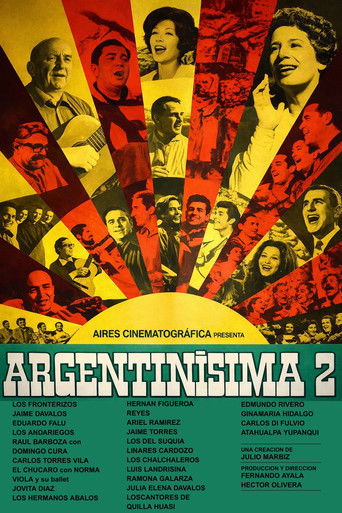
Argentinísima II
Self

Le monde est à vous
Self
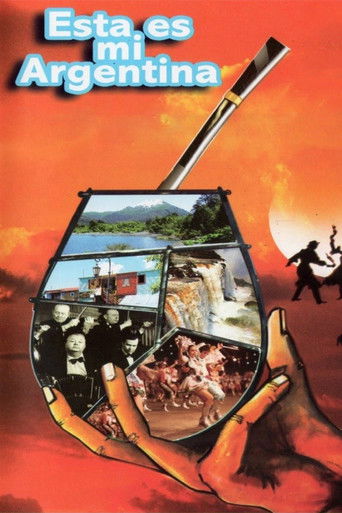
Esta es mi Argentina
Music
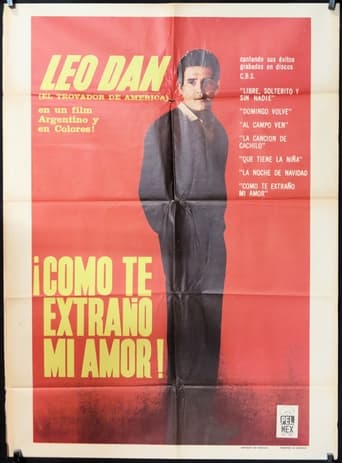
¡Cómo te extraño...!
Music
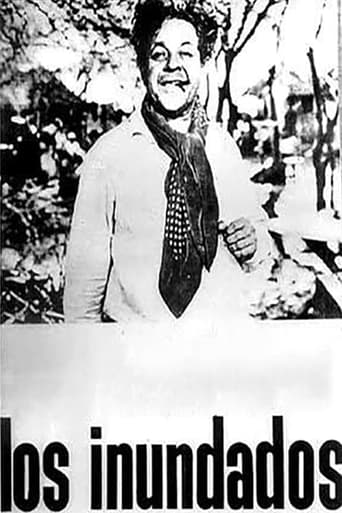
Flooded Out
Music

Martín Fierro
Original Music Composer
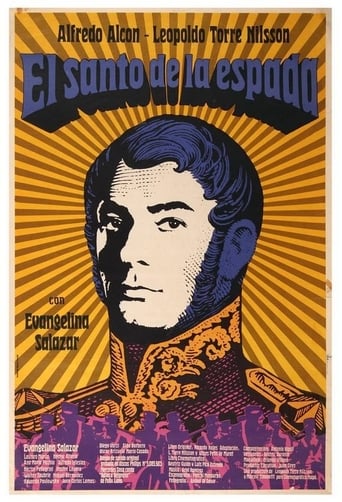
The Knight of the Sword
Original Music Composer
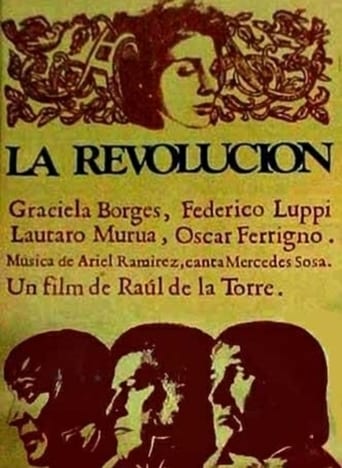
La revolución
Music
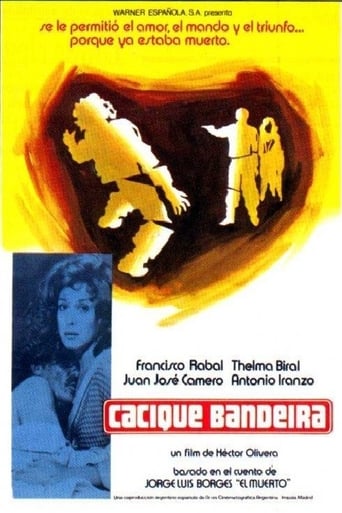
The Dead Man
Music
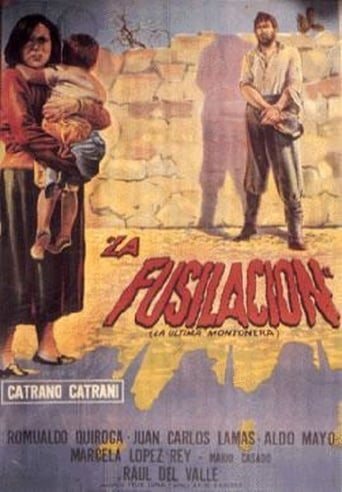
El último montonero
Music
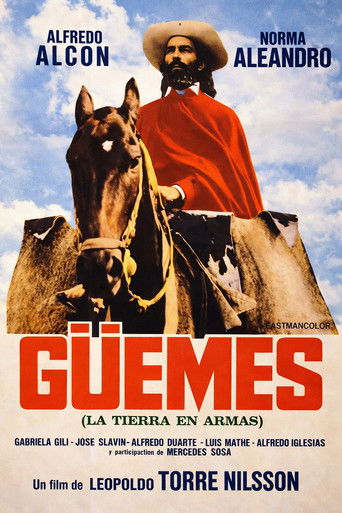
Güemes, la tierra en armas
Music

López Claro, su pintura mural americana
Music Director
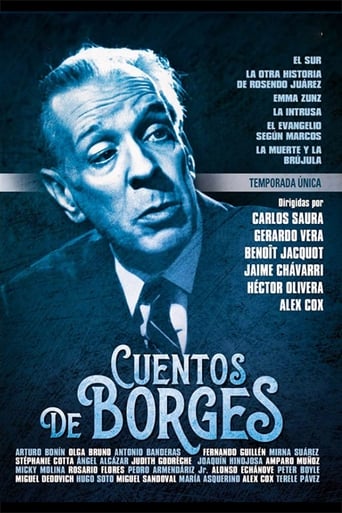
Cuentos de Borges
Music