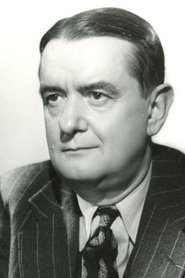
Georges Auric
Known for: Sound
Born: February 14, 1899 in Lodève, Hérault, France - Died: July 22, 1983
Georges Auric (15 February 1899 – 23 July 1983) was a French composer, born in Lodève, Hérault, France. He was considered one of Les Six, a group of artists informally associated with Jean Cocteau and Erik Satie. Before he turned 20 he had orchestrated and written incidental music for several ballets and stage productions. He also had a long and distinguished career as a film composer. Georges Auric began his musical career at a young age, performing a piano recital at the Société musicale indépendante at the age of 14. Several songs that he had written were then performed in the following year by Société Nationale de Musique. Along with his early successes professionally, Auric studied music at the Paris Conservatoire, as well as composition with Vincent d'Indy at the Schola Cantorum de Paris and Albert Roussel. Having gained recognition as a child prodigy both in composition and piano performance, he became a protégé of Erik Satie during the following decade. During the 1910s and 20s, he was a significant contributor of avant-garde music in Paris and was significantly influenced by Cocteau and the other composers of Les Six. Auric's early compositions were marked by a reaction against the musical establishment and the use of referential material. Because of this and his association with Cocteau and Satie, Auric was grouped into Les Six by music critic Henri Collet, and was friends with the artist Jean Hugo. His participation led to writing settings of poetry and other texts as songs and musicals. Along with the other five composers, he contributed a piece to L'Album des Six. In 1921, Cocteau asked him to write the music for his ballet, Les Mariés de la tour Eiffel. He found himself short of time, so he asked his fellow composers of Les Six to contribute some music. All except Louis Durey agreed. During this time, he wrote his one-act opera Sous le masque (1927) (an earlier opera, La Reine de coeur (1919), is lost). It was also in 1927 that he contributed the Rondeau for the children's ballet L'Éventail de Jeanne, a collaboration between ten French composers. In 1952 he participated in yet another collaboration, the set of orchestral variations La Guirlande de Campra. Les Six, though an informal and short-lived group, became known for its reaction against the musical establishment of the time and the promotion of absurdism and satire; the group rebelled similarly against Wagner as it did against Debussy. The music of these composers, including Auric, represented the specific cultural scene of Paris at the time and rejected the international styles brought by Russian and German music, as well as the impressionism and symbolism of Debussy. Auric's later development as a populist composer was prefigured by many of the techniques and ideals of Les Six, especially the use of popular music and situations. Music of the circus or the dance hall played a significant role in the music of Les Six, especially in their actual collaborations. However, Les Six soon drew apart, with Auric and others taking different approaches to their art. ... Source: Article "Georges Auric" from Wikipedia in English, licensed under CC-BY-SA 3.0.
Known for
Showing 24 of 85 titles
The Mysteries of the Chateau of Dice
Self (uncredited)
Entr'acte
A man following the hearse (uncredited)
Return to Reason: Four Films by Man Ray
Self (uncredited)
Discorama
Self

The Wages of Fear
Original Music Composer
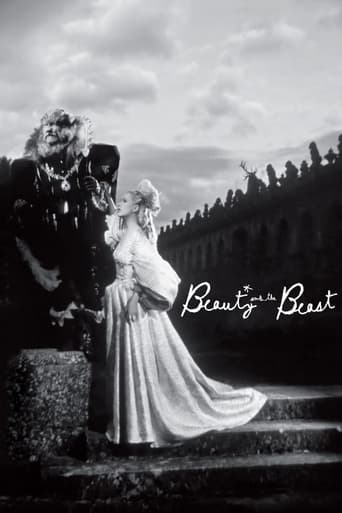
Beauty and the Beast
Original Music Composer
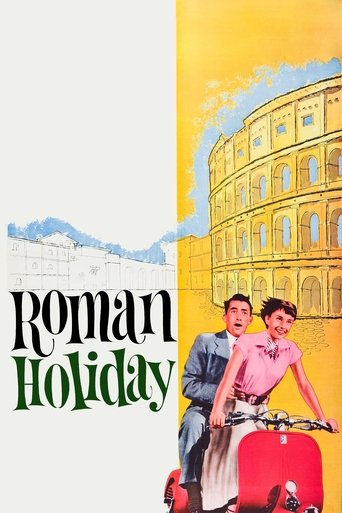
Roman Holiday
Original Music Composer
Bonjour Tristesse
Original Music Composer
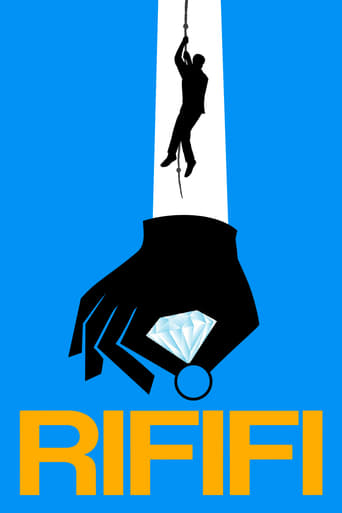
Rififi
Original Music Composer
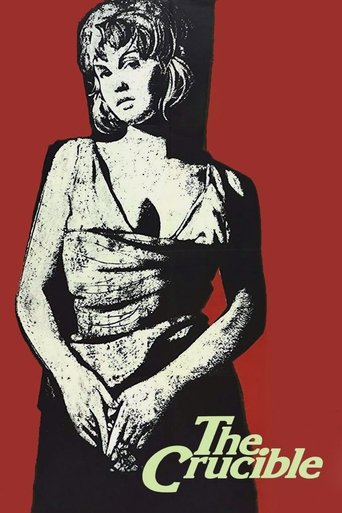
The Witches of Salem
Original Music Composer
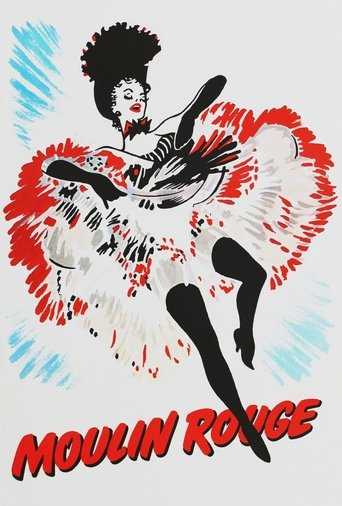
Moulin Rouge
Original Music Composer
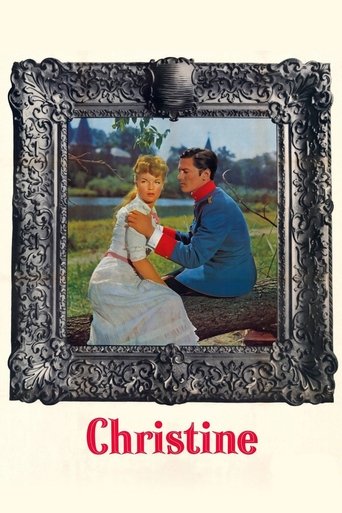
Christine
Original Music Composer

The Burning Court
Original Music Composer
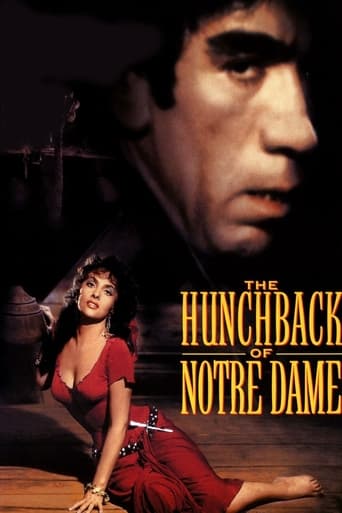
The Hunchback of Notre Dame
Original Music Composer
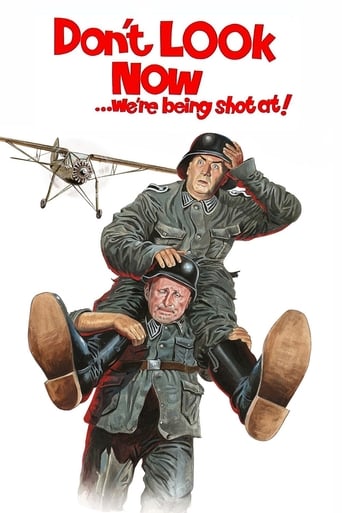
Don't Look Now... We're Being Shot At!
Original Music Composer
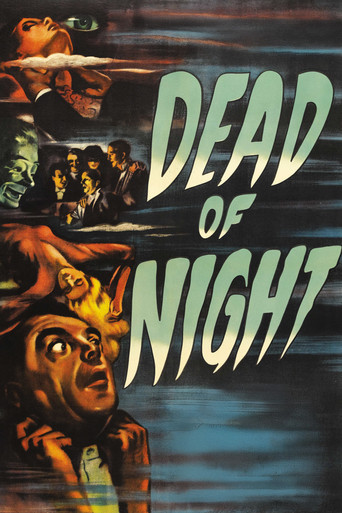
Dead of Night
Original Music Composer
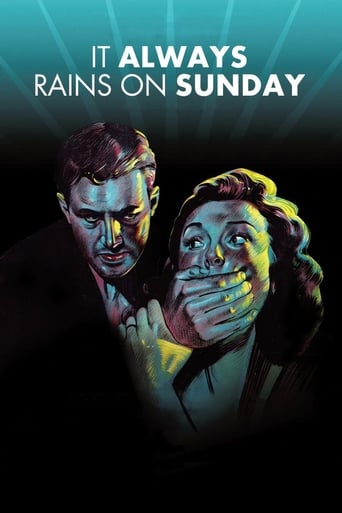
It Always Rains on Sunday
Original Music Composer
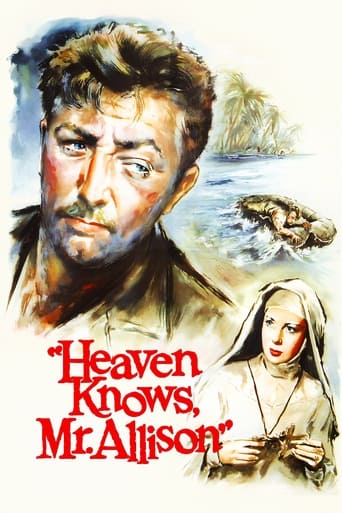
Heaven Knows, Mr. Allison
Original Music Composer
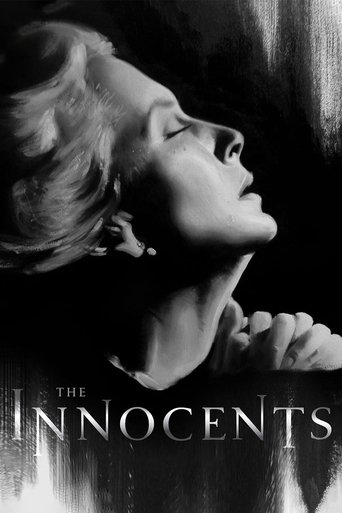
The Innocents
Music
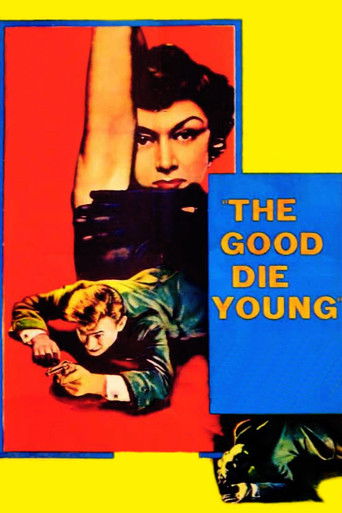
The Good Die Young
Original Music Composer
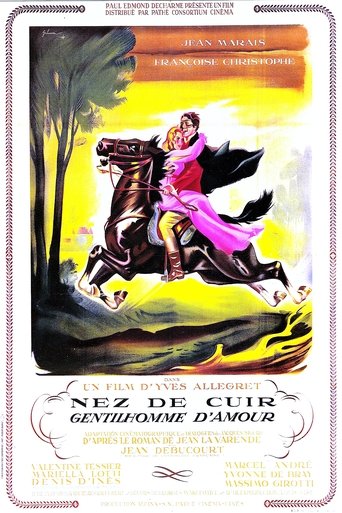
Leathernose
Original Music Composer
The Mind Benders
Original Music Composer
Flesh and Desire
Music
The Journey
Music