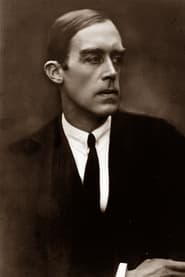
Walter Ruttmann
Known for: Directing
Born: December 27, 1887 in Frankfurt-on-Main, Germany - Died: July 14, 1941
Walter Ruttmann (28 December 1887 – 15 July 1941) was a German film director and along with Hans Richter, Viking Eggeling and Oskar Fischinger was an early German practitioner of experimental film. Ruttmann was born in Frankfurt am Main; His film career began in the early 1920s. His first abstract short films, Lichtspiel: Opus I (1921) and Opus II (1923), were experiments with new forms of film expression. Ruttmann and his colleagues of the avant garde movement enriched the language of film as a medium with new formal techniques. Ruttmann was a prominent exponent of both avant-garde art and music. His early abstractions played at the 1929 Baden-Baden Festival to international acclaim despite their being almost eight years old. Ruttmann licensed a Wax Slicing machine from Oskar Fischinger to create special effects for Lotte Reiniger. Together with Erwin Piscator, he worked on the film Melody of the World (1929), though he is best remembered for Berlin: Die Sinfonie der Großstadt (Berlin: Symphony of a Great City, 1927). During the Nazi period he worked as an assistant to director Leni Riefenstahl on Triumph of the Will (1935). He died in Berlin of wounds sustained when he was working on the front line as a war photographer.
Known for
Showing 24 of 28 titles
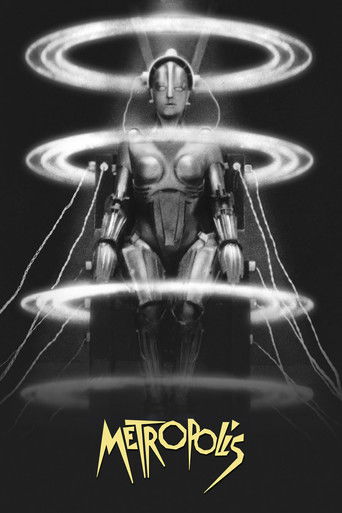
Metropolis
Director of Photography
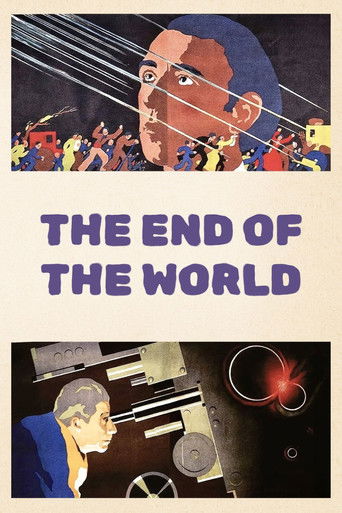
The End of the World
Art Direction
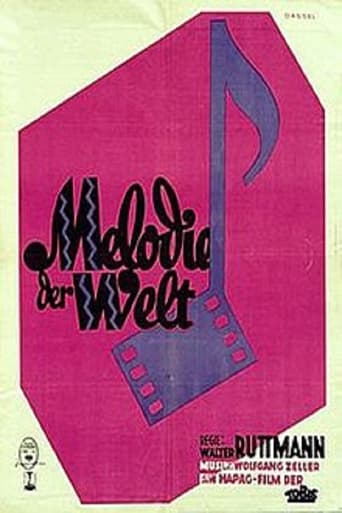
Melody of the World
Director
Game of Waves
Director
Lightplay Opus II
Director

Lichtspiel: Opus I
Director

The Wonder
Director
Opus III
Director
Opus IV
Director
In the Night
Director
German Armaments
Director
Stuttgart, die Großstadt zwischen Wald und Reben
Director
The Rediscovered Paradise
Director
Steel
Director
The Climb
Director
Weekend
Director
Blood and Soil
Director
German Tanks
Director
Where the Rhine...
Director
Metall des Himmels
Director
Hoppla, wir leben
Director
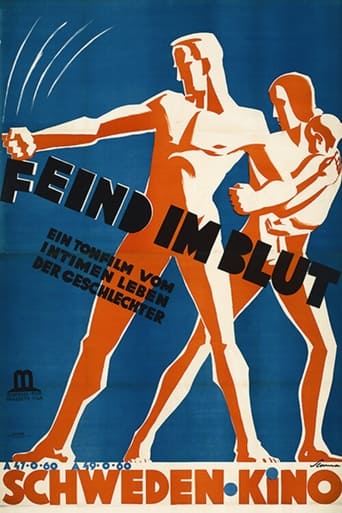
Feind im Blut
Writer
Mannesmann
Director
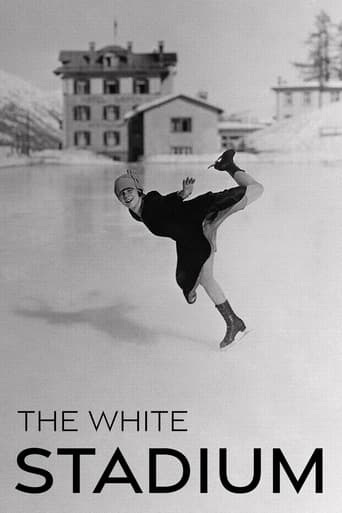
The White Stadium
Editor