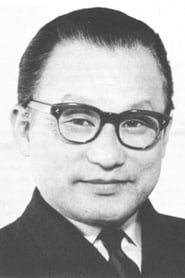
Kazuo Miyagawa
Known for: Camera
Born: February 24, 1908 in Kyoto, Japan - Died: August 6, 1999
Kazuo Miyagawa (宮川 一夫 Miyagawa Kazuo, February 25, 1908 – August 7, 1999) was an acclaimed Japanese cinematographer. Miyagawa is best known for his tracking shots, particularly those in Rashomon (1950), the first of his three collaborations with preeminent filmmaker Akira Kurosawa. He also worked on films by major directors Kenji Mizoguchi, Yasujirō Ozu, and Kon Ichikawa, such as Ugetsu Monogatari (1953), Floating Weeds (1959) and the documentary Tokyo Olympiad (1965) respectively. Miyagawa is regarded as having invented the cinematographic technique known as bleach bypass, for Ichikawa's 1960 film Her Brother.
Known for
Showing 24 of 82 titles
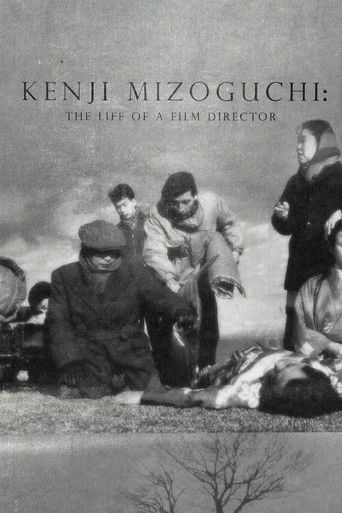
Kenji Mizoguchi: The Life of a Film Director
Self

The World of Kazuo Miyagawa
Self
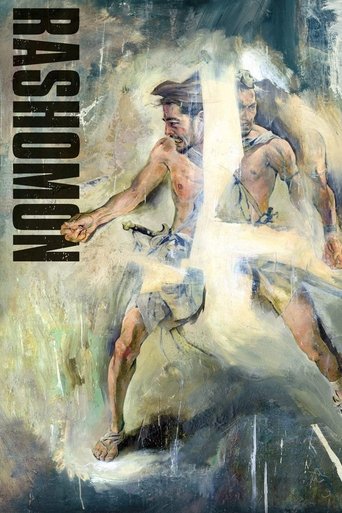
Rashomon
Director of Photography
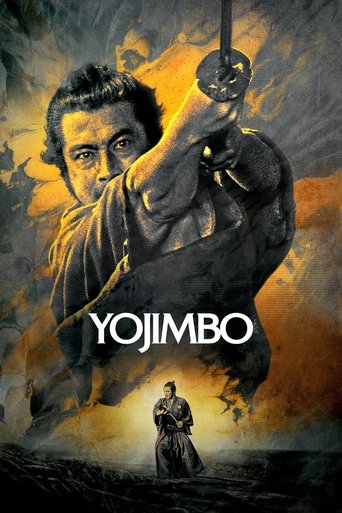
Yojimbo
Director of Photography
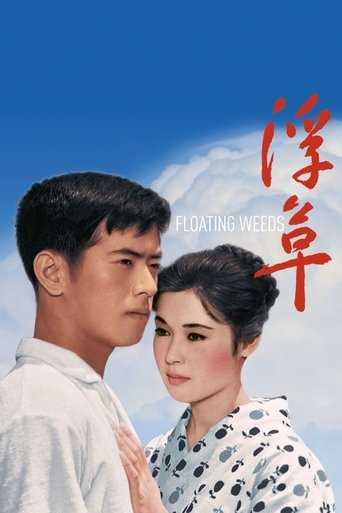
Floating Weeds
Director of Photography
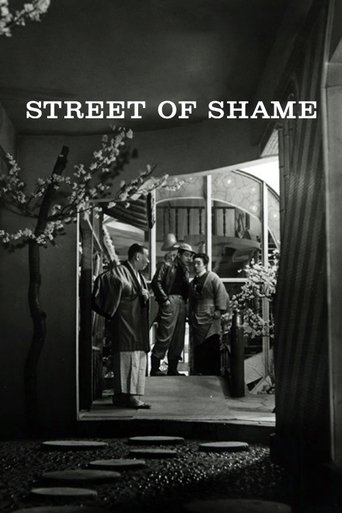
Street of Shame
Director of Photography
Song of Love
Director of Photography
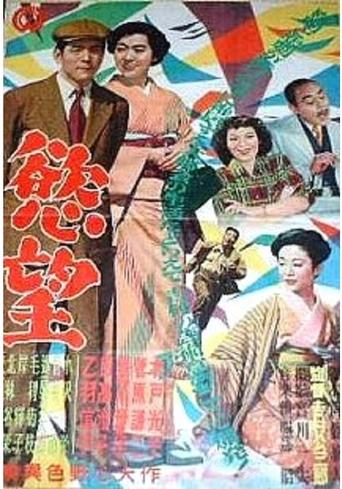
Yokubo
Director of Photography

Silence
Director of Photography
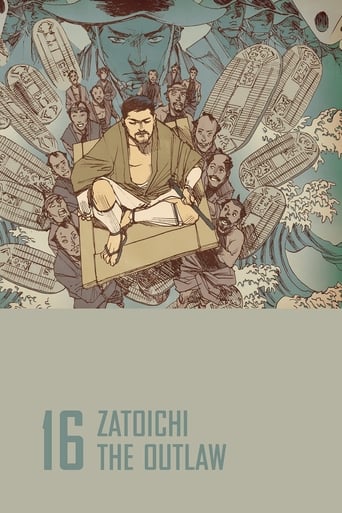
Zatoichi the Outlaw
Director of Photography
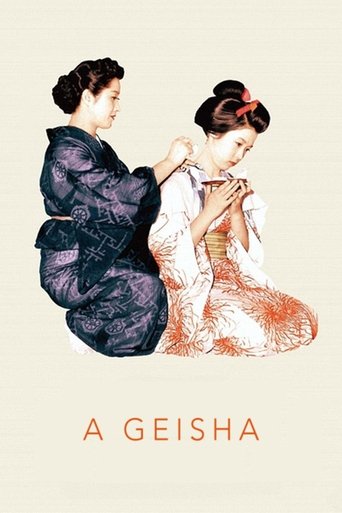
A Geisha
Director of Photography
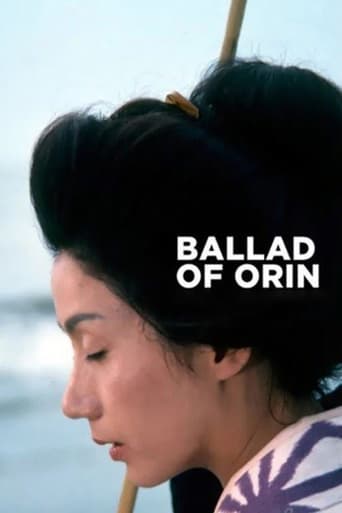
Ballad of Orin
Director of Photography
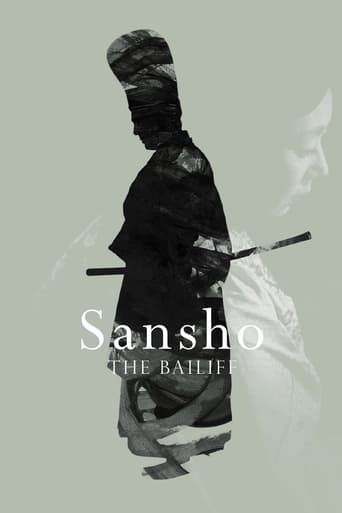
Sansho the Bailiff
Director of Photography
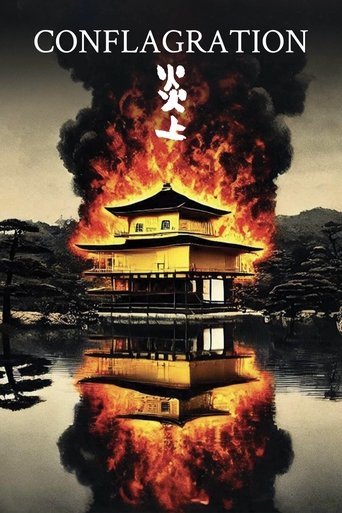
Conflagration
Director of Photography
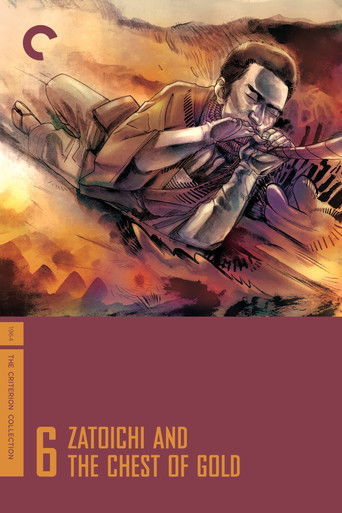
Zatoichi and the Chest of Gold
Director of Photography
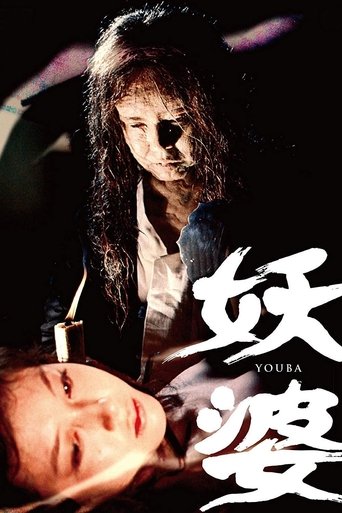
The Possessed
Director of Photography
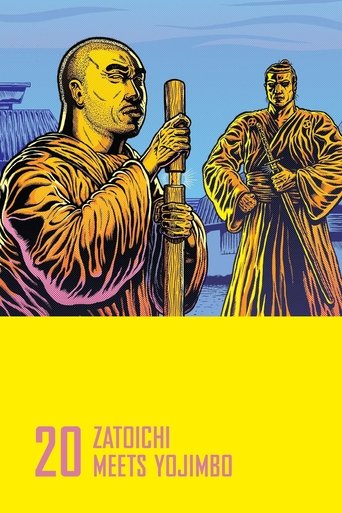
Zatoichi Meets Yojimbo
Director of Photography
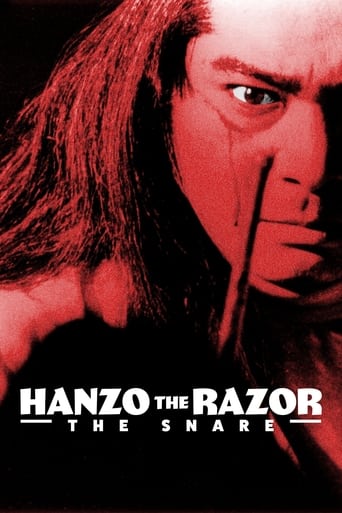
Hanzo the Razor: The Snare
Director of Photography
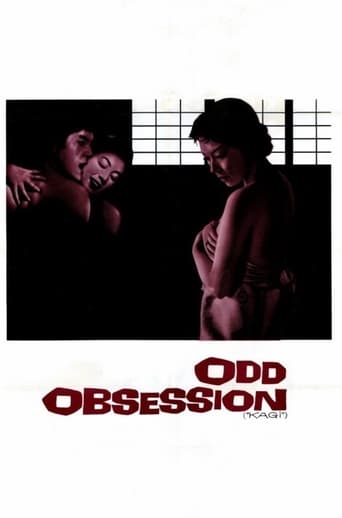
Odd Obsession
Director of Photography
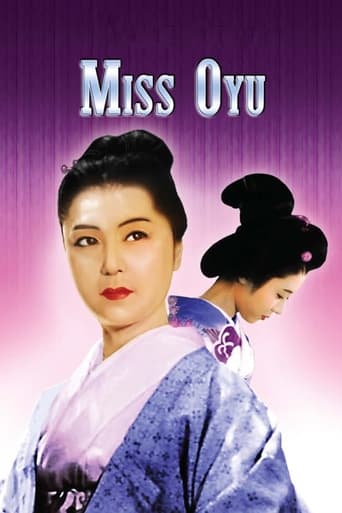
Miss Oyu
Director of Photography
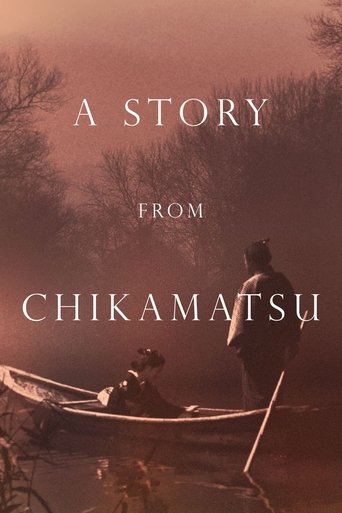
Chikamatsu Monogatari
Director of Photography
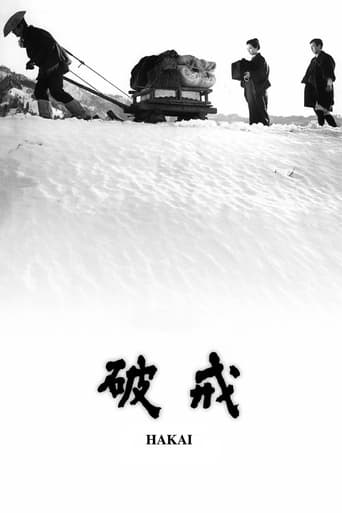
The Broken Commandment
Director of Photography
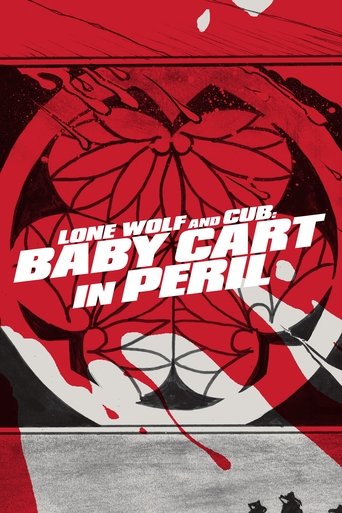
Lone Wolf and Cub: Baby Cart in Peril
Director of Photography
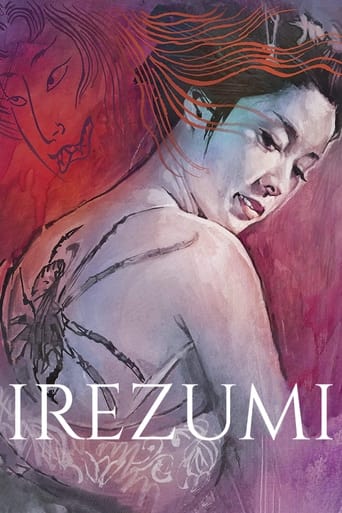
Irezumi
Director of Photography